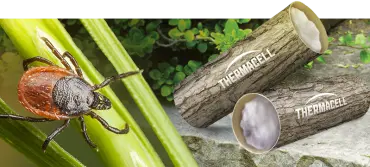
The Worst Tick Season in a Decade Is Here. Is Your Dog Protected?
Jun 5, 2026
Warm winters, early springs, and booming wildlife populations have set the stage for what experts are calling the worst tick season in a decade. In 2026, veterinarians and the CDC have warned of record ER visits for tick bites and rising reports of tick-borne disease in pets. Tick season, when ticks are most active, typically stretches from March through late summer but is increasingly lasting year-round in many areas. For dog owners, this means that everyday walks or playtime in the yard can now carry greater risk. The good news: with the right combination of veterinary care and environmental control, you can keep your dog and your family protected all season long.
Why This Tick Season Is Worse Than Usual
Tick populations thrive when winters are mild and spring arrives early. The U.S. has experienced these conditions for three years running. Abundant acorn crops (known as mast years) fuel mouse and deer populations, both primary hosts for ticks. This boosts tick survival and spreads infected ticks into suburban yards.
The CDC has indicated 2026 could mark the heaviest tick season in ten years, and emergency visits for bites have surged in many states. Changing climates are expanding tick ranges northward and allowing southern species to survive milder winters.
Region | Peak Tick Activity | Emerging Tick Species on the Move |
|---|---|---|
Northeast & Midwest | April to August | Blacklegged (deer) tick |
Southeast | Year-round | Lone star tick |
Central U.S. | May to September | Gulf Coast tick |
Coastal & Northern States | Increasingly year-round | Asian longhorned tick |
Understanding the Risks Ticks Pose to Dogs
Ticks do more than cause itching. They can transmit dangerous diseases. Tick-borne diseases include:
- Lyme disease: Caused by Borrelia burgdorferi bacteria; leads to fever, fatigue, and shifting leg pain.
- Anaplasmosis & ehrlichiosis: Bacterial infections that can trigger fever, joint pain, and low platelets.
In some regions, as many as 55% of adult blacklegged ticks and 25% of nymphs carry Lyme-causing bacteria, and cases of canine anaplasmosis and ehrlichiosis have doubled since 2015. Besides direct illness, dogs can carry unattached ticks indoors, putting people at risk too.
Unlike humans, dogs rarely show a “bull’s-eye” rash. Look instead for fever, loss of appetite, swollen joints, or sudden lameness, then call your veterinarian right away.
Types of Tick Prevention for Dogs
Ticks are a year-round threat, so most veterinarians recommend a layered approach combining medication and environmental control. Cornell Riney Center
Prevention Type | How It Works | Pros | Cons |
|---|---|---|---|
Oral treatments | Kills ticks after they bite | Convenient; monthly dosing | Doesn’t repel before biting |
Topical treatments | Repels and kills on contact | Visible action; fast-acting | Can wash off if not applied correctly |
Collars | Release active ingredients gradually | Long-lasting (up to 8 months) | May irritate skin or pose risk if chewed |
Natural repellents | Use plant-based oils | Chemical-free | Often less proven effectiveness |
Environmental control | Reduces ticks in the yard | Protects pets and family | Needs regular maintenance |
Layered, or multimodal, protection uses more than one method for stronger, consistent defense year-round.
Oral Tick Prevention Treatments
Oral chewables or tablets circulate in your dog’s bloodstream, killing ticks when they bite. They’re popular because they’re easy to give and also protect against fleas. However, since they don’t repel ticks before attachment, bites can still occur. Always follow your veterinarian’s prescription guidance on brand and dosing. PetMD
Topical Tick Prevention Treatments
Topical solutions are applied to the skin between your dog’s shoulders, spreading through coat oils to repel and kill ticks on contact. To apply:
- Use gloves and part the coat between shoulder blades.
- Apply the full dose directly to the skin.
- Keep your dog dry for 24–48 hours.
- Follow label timing for reapplication.
When used correctly, these treatments are safe for dogs and families, offering broad-spectrum protection.
Tick Collars and Alternatives
Tick collars work by releasing repellents continuously along the skin and coat. They’re useful for continuous coverage but must fit snugly and be checked regularly for wear. Some collars are prescription-only, and households with small children should monitor contact carefully.
Wearable alternatives, such as devices or herbal bands, may add protection layers but should not replace vet-approved preventives.
Natural Tick Repellents and Their Effectiveness
Natural tick repellents rely on plant-based ingredients like lemon eucalyptus, cedarwood, or geranium oil. They avoid synthetic chemicals, but most aren't as reliable as EPA-reviewed solutions. Some essential oils can irritate your dog’s skin or be toxic if licked, so always check with your vet first.
Ingredient | Evidence of Effectiveness | Safety Note |
|---|---|---|
Lemon eucalyptus oil | Limited repellency | Avoid ingestion |
Cedar oil | Mild deterrent | Generally safe topically |
Neem oil | Moderate short-term effect | May cause GI upset if swallowed |
Veterinarian Recommendations for Tick Protection
Veterinarians stress prevention over treatment. Ticks are easier to stop than to remove. Their top recommendations include:
- Keep dogs on vet-prescribed preventives all year.
- Discuss Lyme vaccination if you live in or visit high-risk regions.
- Conduct daily tick checks after every outdoor excursion.
- Maintain yard control as part of a complete prevention plan.
Regular exams also let your vet customize prevention based on your dog’s breed, age, and lifestyle.
How to Check and Safely Remove Ticks From Your Dog
Ticks hide in less visible areas. Check: ears, under the collar, between toes, behind legs, around eyes, and under the tail.
Follow this removal process:
- Examine with fingertips and a flashlight.
- Use fine-tipped tweezers to grab the tick close to the skin.
- Pull straight out without twisting.
- Clean the bite with antiseptic.
- Wash your hands and monitor your dog for unusual symptoms.
Quick removal dramatically lowers infection risk, and keeping a tick-removal checklist on the fridge can help you stay consistent.
Environmental Control: Protecting Your Yard From Ticks
Ticks often lurk where pets play, including grass edges, leaf litter, or brush piles. Environmental tick control focuses on reducing these populations outside, helping prevent ticks from ever reaching your dog.
Yard Treatments and Safe Products to Kill Ticks
Yard tick treatment options include perimeter sprays, biological agents, and bait-based solutions. For most homes, combining simple DIY methods with eco-conscious tick tubes can make a meaningful difference. Harvard Lyme
Treatment | Description | Pros | Cons |
|---|---|---|---|
DIY sprays/powders | Chemicals applied with garden sprayer | Immediate knockdown | May require frequent reapplications |
Professional services | Expert application using EPA-approved products | Effective large-area coverage | Costlier options |
Thermacell Tick Control Tubes | Cotton treated with tick-targeting insecticide that mice collect for nesting | No sprays, pet-safe, EPA reviewed | Seasonal setup required |
Thermacell Tick Control Tubes target nymph and larval ticks early, right where they start, before they reach people or pets. As an easy, low-maintenance system designed by entomologists, they fit seamlessly into a broader prevention plan for a safer, tick-controlled yard.
Creating a Tick-Safe Outdoor Environment
Smart landscaping can drastically cut tick encounters.
Steps for a tick-safe yard:
- Keep lawns mowed and shrubs trimmed.
- Remove leaf litter, weeds, and brush piles.
- Add a gravel or mulch barrier between woods and lawn.
- Store wood and compost neatly to deter rodents.
- Clean up pet toys and feeding areas to avoid attracting wildlife.
Routine yard maintenance complements medical and product-based tick prevention.
Thermacell’s Approach to Tick Protection
Thermacell takes a science-first approach to outdoor protection. Our Tick Control Tubes use a targeted, scent-free method that focuses on ticks at their source, without sprays or chemicals on your pets or lawn. Safe for families and animals when used as directed, they create a protective zone by disrupting tick life cycles before they can spread disease.
When paired with veterinarian-guided dog protectants and regular tick checks, Thermacell’s easy “set-and-forget” tick prevention solutions help form a complete, environmentally responsible defense for your backyard, so you and your dog can live your best outside life.
Frequently Asked Questions
When is peak tick season and how long can ticks stay active?
Peak tick season varies by region but generally runs from spring through late summer. Milder winters now allow ticks to remain active in many areas year-round.
What is the best way to protect my dog from ticks year-round?
Use a vet-recommended preventive, check daily for ticks, and add consistent yard protection such as Thermacell Tick Control Tubes.
Are natural tick repellents safe and effective for dogs?
Some natural options offer limited protection, but most aren’t as reliable as veterinarian-approved or EPA-reviewed solutions. Always check with your vet.
How often should I check my dog for ticks during high-risk periods?
Inspect your dog after every outdoor activity, especially in wooded or grassy environments.
Can tick prevention products keep my whole family safe by reducing ticks on my dog?
Yes. Keeping your dog protected reduces the chance ticks enter your home, helping safeguard the entire family. Thermacell adds an extra layer of outdoor defense.
Categories: Ticks & Tick Prevention


Related Posts

Spring Alert! Ticks Are Back: Safeguard Your Health
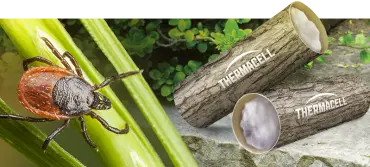
Kill Larval Ticks that Hatch in July with Thermacell Tick Control Tubes