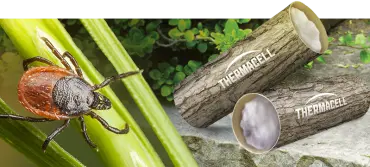
Spring brings a surge in tick activity—and risk. Nearly 31 million Americans are bitten by ticks each year, underscoring how widespread exposure has become, as reported by PBS NewsHour. Emergency room visits for tick bites are also climbing as seasons lengthen and regions warm, a trend now tracked nationally in this CBS News report on CDC data. The good news: with the right yard treatments, smart timing, and personal precautions, you can dramatically reduce bites and reclaim your outdoor spaces. This guide explains when to treat your yard for ticks, what to put down (sprays, granules, or Thermacell Tick Control Tubes), how to choose a sprayer, and how to build layered protection—backed by Thermacell’s science-driven approach to safe, effective tick control.
Understanding Tick Activity in Spring
As temperatures climb in mid-March through early April, ticks “wake up” and begin questing—waiting on grasses and brush to latch onto passing hosts. They don’t jump or fly; they position themselves where people and animals brush by, according to Johns Hopkins public health guidance on questing. Warmer, wetter springs and milder winters are lengthening active seasons, expanding tick ranges, and increasing human exposure, noted by Harvard Health. Ticks are no longer just a backwoods problem; urban and suburban encounters are up as deer and small-mammal populations flourish near people, according to this Boston University analysis. Early, proactive defense—before you see ticks—is now essential.
Effective Yard Treatments for Ticks
Preventing ticks in the yard is one of the most effective ways to cut bite risk where you live and play. A focused plan combines perimeter sprays where ticks dwell, habitat cleanup that removes hiding spots, and targeted products like Thermacell Tick Control Tubes or granules.
Quick comparison of core strategies:
- Perimeter sprays: Fast population knockdown where ticks enter the yard.
- Thermacell Tick Control Tubes: Target nymphal ticks by treating mice nests—the heart of the Lyme cycle—without harming the mice.
- Granules: Broad turf coverage, helpful along borders and high-traffic lawn.
- Habitat modifications: Trim brush, manage leaf litter, and create dry border zones to deter ticks.
Choosing the Right Sprayer for Tick Control
Two sprayer types cover most needs. Pick based on yard size, precision needs, and how often you plan to apply.
Sprayer type | Pros | Cons | Best for |
|---|---|---|---|
Pump/backpack sprayer | Precise targeting; good coverage on edges, beds, and brush; flexible nozzle options | Requires manual pumping/weight; slower for large areas | Small–medium yards; detailed perimeter and bed work |
Hose-end sprayer | Fast application; good for large, open areas; simple setup | Less precise; risk of over/under-application on edges | Medium–large lawns; quick seasonal coverage |
Tips:
- Choose equipment that delivers even coverage with adjustable droplet size.
- Confirm compatibility with EPA-registered tick control concentrates.
- Remember: sprayers pair well with non-spray solutions like Thermacell Tick Control Tubes, which work in parallel to reduce ticks at their source.
Does Spraying the Yard Perimeter Work?
Yes—when targeted to the right zones and integrated with other methods. Ticks concentrate in shaded, humid areas along brush lines, stone walls, woodpiles, and yard edges. Perimeter spraying reduces the flow of ticks from these habitats into lawns and play areas. While environmental sprays reliably reduce tick numbers, evidence for reducing human tick-borne illness—though promising—remains limited and strongest when sprays are part of an integrated plan.
How to spot and spray perimeter hotspots:
- Walk your property line. Flag brushy edges, shaded beds, stacked wood, leaf litter piles, and stone walls.
- Focus on a 3–10 foot band inside the yard edge and adjacent vegetation.
- Treat at the base of shrubs, fence lines, and along paths wildlife use to enter the yard.
- Apply on a calm, dry day; allow to dry before people and pets re-enter.
- Re-treat per label timing, especially after heavy rain or vigorous mowing.
What to Use on Your Yard to Kill Ticks
Acaricides are products that kill ticks and mites. For yard tick control, use EPA-registered solutions and always follow label directions.
Option | How it works | Typical actives | Longevity | Notes |
|---|---|---|---|---|
Perimeter/turf sprays | Contact kill on vegetation and edges | Commonly permethrin, bifenthrin, lambda-cyhalothrin | Weeks (per label) | Fast knockdown; target edges, beds, and shaded zones |
Granules | Broadcast to turf; release active over time | Varies by brand | Weeks (per label) | Good for broad coverage; water in if directed |
Tick tubes | Mice take treated cotton to nests; kills ticks on mice without harming the mice | Permethrin-treated cotton | Multi-week per cycle | Targets the mouse–nymph cycle; minimal lawn contact; not harmful to mice |
Research continues to support the role of acaricides in reducing tick abundance when applied properly, as shown by a recent systematic review of acaricide efficacy. Thermacell products are designed to control ticks in the environment—without applying chemicals to skin. For example, Thermacell Tick Control Tubes place a precise dose where mice need it—without harming the mice—minimizing contact with lawns and landscaping (see Thermacell Tick Control Tubes).
Best Approaches for Wooded Yards
Ticks thrive in shaded, humid, brushy margins—exactly what wooded yards offer. Layer methods for best results:
- Place Thermacell Tick Control Tubes in woods, stone walls, and dense brush to disrupt the mouse–tick cycle without harming mice.
- Trim brush, remove leaf litter, and keep a 3–10 foot dry, woodchip or gravel buffer along forest edges.
- Apply perimeter sprays more heavily along shaded borders and wildlife travel routes.
Layered defense (step-by-step):
- Early spring: Deploy tick tubes along wooded edges; repeat every 3–4 weeks as directed.
- Perimeter pass: Spray a 3–10 foot band inside the tree line, focusing on shade.
- Mid-season: Refresh tick tubes; re-spray after heavy rains or as labels direct.
- Fall: Repeat both steps to catch nymphs and larvae before overwintering.
Tick Tubes Versus Granules: Which Is Better?
Both work—choose based on where ticks are coming from and how you use your space.
Feature | Tick Tubes | Granules |
|---|---|---|
Method of action | Mice carry treated cotton to nests, killing ticks on rodents | Broadcast to turf; releases acaricide to kill ticks on contact |
Best target | Nymphs/larvae feeding on mice in and near brush | Ticks on lawns, play areas, and open borders |
Safety profile | Minimal lawn application; targeted to nests; not harmful to mice; scent-free and EPA-reviewed | Broad application to turf; follow label for children/pets re-entry |
Ease & frequency | Place tubes in shaded, brushy zones; repeat per cycle | Spread with a broadcast spreader; water in if required |
Ideal scenario | Wooded/brushy properties; stone walls; heavy mouse activity | Large lawns, open play areas, or where quick turf coverage is needed |
For environmentally conscious homeowners, Thermacell Tick Control Tubes avoid spraying lawn and landscaping while addressing the source of most disease risk—ticks feeding on mice—without harming the mice. Thermacell’s tube solutions are scent-free and EPA-reviewed, designed to be easy to place around the yard. Tick Control Tubes are sufficient to kill ticks but does not affect the mice that nest with it, other animals, or the environment. For pet considerations, see our guidance on tick tube safety for animals in the yard.
When to Treat Your Yard for Ticks
Tick activity ramps up once temperatures consistently rise above freezing—and can persist anytime weather is warm and damp. Treat early and keep coverage steady through the season.
Practical schedule:
- Initial treatment: Early spring (mid-March–April) before peak activity.
- Maintenance: Repeat every 4–6 weeks or per label, especially after heavy rain or mowing.
- Focus windows: Early summer (nymph surge) and fall (larvae and adult activity).
Bottom line: Treat before first activity and maintain coverage to minimize gaps.
Personal Protection Strategies Against Ticks
Layer yard control with personal protection to further cut risk:
- Wear long sleeves and pants; tuck pants into socks; choose light colors to spot ticks faster.
- Treat clothing and gear with 0.5% permethrin; allow to dry fully before use, as recommended by Johns Hopkins public health guidance on questing.
- Shower within two hours of coming indoors.
- Perform a tick check: scalp/hairline, behind ears, armpits, waistband, groin, backs of knees, and around sock lines.
Definitions:
- Tick check: A systematic head-to-toe inspection for attached or crawling ticks after outdoor exposure.
- Prophylactic treatment: A preventive medical step after a high-risk tick bite; consult a clinician for evaluation and timing.
Quick tick-check checklist:
- Remove outdoor clothes; toss in hot dryer for 10 minutes.
- Shower and scan mirror-accessible areas.
- Use a fine-tooth comb through hair and check hairline and ears.
- Inspect gear, shoes, and pets before they enter living spaces.
Frequently Asked Questions
How long are ticks active during the year?
Ticks are most active from spring through fall but can be present any time temperatures are above freezing, making year-round vigilance important in some regions.
What is the best way to remove a tick safely?
Use fine-tipped tweezers to grasp the tick close to the skin and pull upward steadily—avoid twisting or squeezing to minimize infection risk.
Can treating clothing reduce tick bites?
Yes, treating clothing with 0.5% permethrin significantly lowers tick attachment and bite risk during outdoor activities.
Are ticks active in urban or suburban areas?
Ticks are increasingly found in both urban and suburban environments, expanding the potential exposure beyond rural or wooded locales.
How quickly can ticks transmit diseases?
Some infections may transmit within hours, but Lyme disease bacteria typically require 24–36 hours of tick attachment.
Categories: Ticks & Tick Prevention


Related Posts

The Worst Tick Season in a Decade Is Here. Is Your Dog Protected?
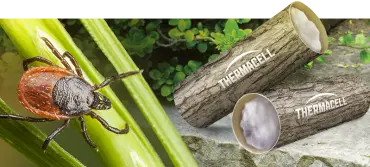
Kill Larval Ticks that Hatch in July with Thermacell Tick Control Tubes