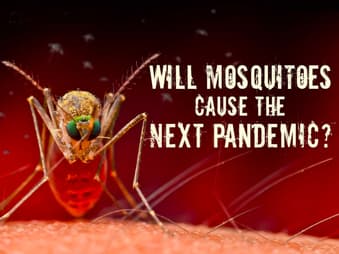
Knowing when mosquito season starts where you live is key to enjoyable, bite-free time outside. Thermacell pairs science with simple, scent-free, no-skin-contact protection to help you plan ahead and maximize your time in the yard, on the patio, or at the campsite. Because mosquito control depends on local climate and species, season timing—and the risk of mosquito-borne diseases—varies widely by state. Below, we break down how temperature and rainfall drive mosquito activity, what to expect by region, and the practical steps that keep mosquitoes out of your plans. Expect clear, actionable guidance and proven solutions—from public health best practices to area-based protection zones that make outdoor living effortless.
Understanding Mosquito Season Timing
Mosquito season refers to the period each year when mosquitoes are most active, typically starting when average temperatures reach about 50°F and accelerating when conditions stay above 70°F. Season length and intensity depend on climate, rainfall, and local habitat, including nearby water and shade.
Across most of the United States, peak mosquito activity coincides with the year’s warmest, wettest stretch—generally late spring through early fall—though exact dates shift by state and elevation.
Typical timing by region:
U.S. region | Typical start | Peak months | Typical end | Notes |
|---|---|---|---|---|
New England, Northern Midwest, Pacific Northwest | May | July–August | September | Shorter season; cool nights slow activity. |
Mid-Atlantic, Great Lakes, Northern West | April | June–August | September | Rain + summer heat drive midseason surges. |
Interior West at higher elevation | June | July–August | September | Later start due to cooler nights/elevation. |
South, Southwest (inland) | March | May–September | September | Warm springs extend season length. |
Gulf Coast, Florida, Hawaii | February | June–October | November (some areas year-round) | Warm, humid climates support the longest seasons. |
Regional Differences in Mosquito Activity
Climate is destiny for mosquitoes. Cooler northern states tend to run May–September, while much of the Mid-Atlantic, Midwest, and West begin in April and wind down by September. Southern and Southwestern states often start by March and continue into September, and the Gulf Coast, Florida, and Hawaii can experience activity from February through November, even year-round in some locales.
In the U.S., mosquito activity commonly peaks in July and August, when heat and rainfall align to boost breeding. The earliest and longest seasons occur in warm, humid states along the Gulf and in subtropical areas, where rainfall and warm nights keep mosquitoes active far longer than in the North.
Environmental Factors Influencing Mosquito Season
- Temperature: Activity begins around 50°F and rises rapidly above 70°F; warm nights sustain biting and breeding (Terminix overview).
- Rainfall and humidity: Heavy rain creates temporary pools; humid air reduces moisture loss from adult mosquitoes.
- Standing water: Any still, stagnant water—puddles, buckets, birdbaths, kiddie pools, clogged gutters—acts as a nursery for mosquito larvae.
- Landscape features: Dense vegetation, shade, and wind-protected pockets help adults rest and avoid desiccation.
- Nearby water: Marshes, ponds, floodplains, and irrigation ditches extend breeding opportunities.
- Local weather patterns: Wet spells followed by warmth often trigger population spikes within 7–14 days.
Common Mosquito-Borne Diseases to Know
A mosquito-borne disease is an illness transmitted to humans through bites from infected mosquitoes; outcomes range from mild fever to severe neurological disease. West Nile virus is the most widespread in the continental U.S.; about 80% of infections are asymptomatic, around 20% cause flu-like illness, and fewer than 1% become severe, according to CDC West Nile virus fast facts. Dengue risk is growing globally, with nearly 4 billion people living in at-risk areas per CDC’s Dengue on the Rise: Get the Facts. Eastern equine encephalitis (EEE), though rare, carries a roughly 30% fatality rate (CDC EEE). Public health reviews also note recent fluctuations in La Crosse and St. Louis encephalitides and occasional local malaria detections in the U.S. (VDCI’s 2025 disease year-in-review).
Quick reference:
Disease | Main vectors | Typical U.S. geography/season | Common symptoms | Severe complications | Prevention notes |
|---|---|---|---|---|---|
West Nile virus | Culex spp. | Nationwide; summer–early fall | Fever, headache, body aches | Neuroinvasive disease (rare) | Reduce bites; monitor local advisories (CDC WNV). |
Dengue | Aedes aegypti, Aedes albopictus | Puerto Rico, territories; sporadic local outbreaks in FL/TX/HI | High fever, severe aches, rash | Severe dengue/hemorrhagic forms | Avoid bites; respond promptly to outbreak alerts (CDC dengue on the rise). |
Eastern equine encephalitis (EEE) | Aedes, Culiseta spp. | Atlantic/Gulf coasts, Great Lakes; late summer | Fever, chills | Encephalitis; ~30% fatality | Rigorous bite prevention in endemic zones (CDC EEE). |
La Crosse encephalitis | Aedes triseriatus | Upper Midwest, Appalachia; summer | Fever, headache | Neurological disease in children (rare) | Yard sanitation and bite prevention (VDCI trends). |
St. Louis encephalitis | Culex spp. | West/South/Midwest; late summer–fall | Fever, headache | Encephalitis (rare) | Community surveillance + bite avoidance (VDCI trends). |
Malaria (local cases rare) | Anopheles spp. | Occasional local detections in warm months | Fever, chills | Severe malaria if untreated | Follow health advisories; seek prompt care (VDCI trends). |
For a global overview of mosquito-borne diseases and transmission basics, see the World Mosquito Program’s primer.
Effective Mosquito Control and Prevention Methods
Public health guidance emphasizes a layered approach: use EPA-registered repellents, wear long sleeves and pants, and avoid peak mosquito hours (dawn/dusk) when feasible. Reduce standing water around your home—empty, cover, scrub, or treat water-holding containers at least weekly—and maintain yards to limit shade and harborage (CDC’s mosquito control at home).
Comparing protection options:
- Skin-applied repellents (e.g., DEET, picaridin): Direct, personal protection on exposed skin.
- Outdoor sprays: Yard treatments that target resting or breeding sites; ensure products are EPA registered and used exactly as labeled.
- Area-based systems (e.g., Thermacell): Heat-activated devices create a protective zone without spraying skin—scent-free and effortless for patios, decks, and campsites. Explore how area-based zones elevate backyard comfort in Thermacell’s guide to effective mosquito control strategies.
Simple household prevention checklist:
- Walk your yard weekly; dump or treat any standing water.
- Clear gutters; refresh birdbaths; cover rain barrels with fine mesh.
- Trim dense vegetation and maintain lawns to reduce resting sites.
- Use EPA-registered repellents and protective clothing during peak hours.
- Deploy Thermacell area-based devices on patios and seating areas before guests arrive.
- Follow local mosquito advisories, especially after heavy rain or during outbreaks.
What to Look for in Mosquito Repellents and Outdoor Sprays
How to choose reliable protection:
- EPA registration on the label indicates the product’s efficacy and safety have been evaluated by federal scientists.
- Active ingredients: DEET and picaridin are proven skin-applied actives; area-based devices often use heat-activated repellent mats to form protective zones without skin contact.
- Match duration and format to your plans: hours of protection, backyard vs. camping, portability, and ease of setup.
Decision guide:
Product type | Best for | Pros | Watch-outs | Typical duration |
|---|---|---|---|---|
Skin-applied repellents (DEET, picaridin) | Hiking, yard work, sports | Direct protection; flexible strengths | Requires skin application; reapply as directed | 2–12 hours (check label) |
Outdoor yard sprays (EPA-registered) | Broad yard coverage | Treats vegetation/resting sites | Must follow label; may need repeat treatments | Weeks, weather-dependent |
Area-based heat-activated devices (Thermacell) | Patios, decks, camping. Broad yard coverage if using Thermacell’s LIV System. | Scent-free, no-skin-contact, simple zones | Use upwind; pre-activate before use | Multi-hour sessions per refill |
Fans/nets/physical barriers | Dining areas, strollers, tents | Chemical-free barrier | Limited range; setup required | Continuous while in place |
For easy, on-demand zone protection, see Thermacell’s E-ZoneGuard Patio + for patios, LIV On-Demand Mosquito Repellent System for always-ready backyard coverage, and Fuel-ZoneGuard Backpacker Repeller for camping stoves and backcountry trips.
How EPA Registration Ensures Safe Mosquito Protection
EPA registration is an official confirmation that a mosquito control product has been scientifically evaluated and meets strict federal standards for safety and effectiveness. Before outdoor sprays or repellent devices can be marketed, the EPA reviews data on efficacy, human exposure, and environmental impact, often in coordination with the CDC during public health events (see the EPA’s joint statement on mosquito control). Thermacell solutions are rigorously tested and designed to meet EPA requirements—offering confidence that your protection is both effective and responsible compared with DIY or unregistered sprays.
Integrated Mosquito Management for Homeowners
Integrated mosquito management combines multiple strategies—surveillance, habitat modification, larval control, targeted adult treatments, and community education—to reduce mosquito risks safely and sustainably. Core elements endorsed by EPA/CDC include routine yard inspections, eliminating breeding sites, using biological controls where appropriate, applying targeted treatments when needed, and staying tuned to local outbreaks. Thermacell’s spatial devices fit neatly into this layered defense, creating comfortable protection zones so you can enjoy outdoor spaces without relying solely on skin-applied products.
Staying Informed Through Local Mosquito Surveillance
Mosquito surveillance is the ongoing process of tracking mosquito populations and disease presence using traps, lab testing, aerial or field surveys, and public reporting—providing early warning of outbreaks so residents and officials can act quickly. Check your state or county health department portal for weekly vector reports, follow CDC updates during active seasons, and sign up for local alerts. When advisories rise, tighten household prevention and increase personal protection accordingly.
Frequently Asked Questions
When does mosquito season typically start and end in different states?
Mosquito season generally starts in late spring and lasts through early fall, but timing varies by region. Southern and coastal states often have the longest seasons, sometimes running from February through November, while northern areas peak from May to September.
How do temperature and rainfall affect mosquito activity?
Mosquitoes become active when temperatures reach about 50°F and populations surge with warm weather and heavy rainfall, which increases breeding sites by creating standing water.
What diseases can proper mosquito repellents help prevent?
Mosquito repellents can help prevent diseases like West Nile virus, dengue, and Eastern Equine Encephalitis by reducing your risk of being bitten by infected mosquitoes.
Are all outdoor mosquito sprays EPA registered?
Not all outdoor mosquito sprays and repellents are EPA registered. Always check labels to ensure you’re selecting a product that has been independently tested for safety and effectiveness.
What simple actions can homeowners take to reduce mosquito risks?
Homeowners can clear standing water, maintain yards, use EPA-registered repellents, and use Thermacell area-based devices to decrease the risk of mosquito-borne diseases.
Categories: Questions & Answers


Related Posts

Things You Probably Didn't Know Attract Mosquitoes
Do Mosquitoes Bite Dogs? How to Protect Your Dog From Mosquito-Borne Diseases